Temporomandibular Joint Disorders
Effective treatment for jaw joint dysfunction, reducing pain and restoring normal oral function.



Understanding TMJ Disorders
Temporomandibular joint (TMJ) disorders affect the function of the jaw joint and surrounding muscles, leading to symptoms such as pain, clicking, limited movement, and discomfort while eating or speaking. These conditions can develop due to teeth grinding, joint injury, arthritis, or misalignment of the jaw.
If left untreated, TMJ disorders may progress, causing chronic pain and joint dysfunction. Early diagnosis and intervention can effectively manage symptoms and restore normal jaw function, preventing long-term complications and improving quality of life.
Do I Need Treatment for TMJ Disorders?
You may benefit from TMJ disorder treatment if you experience:
- Persistent jaw pain, stiffness, or limited movement despite conservative treatments
- Clicking, popping, or locking of the jaw joint affecting normal function
- Structural joint damage due to arthritis, trauma, or joint degeneration
- Misalignment or bite problems that contribute to ongoing discomfort
- Severe cases of joint fusion (ankylosis) or irreversible joint deterioration
TMJ disorders often begin with mild symptoms that may progress over time. Early intervention can prevent the need for more invasive treatments later.
How Does TMJ Disorder Treatment Work?
TMJ treatment works through a progressive approach, beginning with conservative options and advancing to surgical interventions only when necessary:
Conservative Therapies
These treatments address muscle tension, inflammation, and mechanical stress on the joint:
- Myofascial Pain Management: Treating myofascial pain with advanced techniques including acupuncture and dry needling to release trigger points and relieve muscle tension
- Therapeutic Botox Injections: Precisely administered to relax overactive muscles and reduce pain and tension
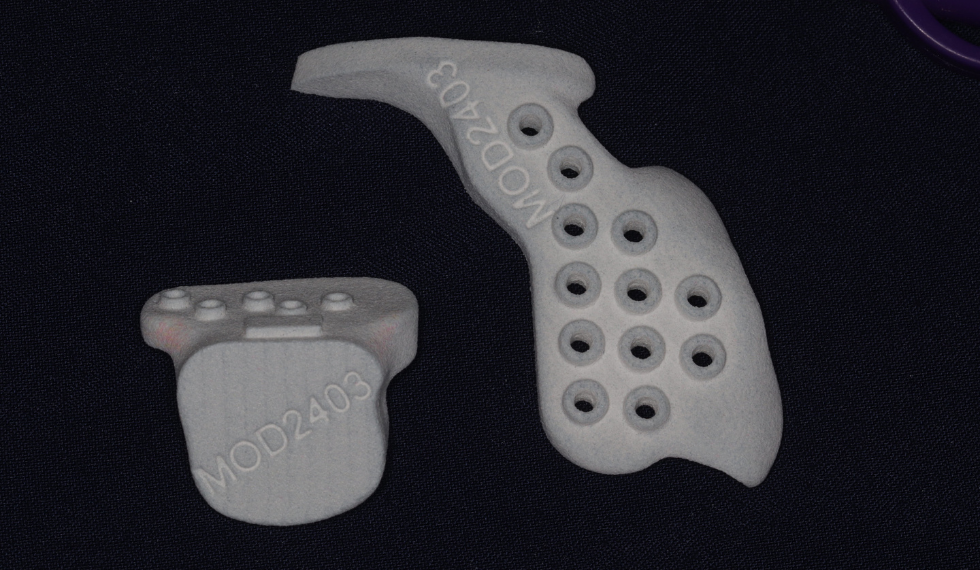
- 3D-Printed Bite Splints: Custom-designed using the latest technology to provide superior comfort and retention compared to traditional splints, effectively reducing teeth grinding and joint pressure
Minimally Invasive Procedures
When conservative treatments are insufficient, these less invasive surgical options may be recommended:
- Arthrocentesis: Joint flushing procedure to remove inflammatory byproducts, reduce adhesions, and improve lubrication, providing relief with minimal recovery time
- Arthroscopy: Advanced keyhole surgery using small instruments and a camera to remove adhesions, repair disc position, and address joint damage while minimizing surgical trauma
Open Surgery Procedures
For severe or refractory cases requiring direct intervention:
- Arthroplasty: Open joint surgery that allows direct repair of damaged structures and reshaping of joint components
- Total Joint Replacement: Using customized 3D-printed prosthetics for cases with advanced joint damage or ankylosis, restoring function when the natural joint cannot be preserved
A thorough diagnostic process, including clinical examination and advanced imaging such as Dynamic MRI, determines the most appropriate treatment approach for your specific condition.
TMJ Disorder Treatment Protocol
1. Comprehensive Diagnosis
- Detailed clinical examination of jaw movement, muscle tenderness, and joint sounds
- Advanced imaging (MRI, CT scans) to assess joint structure and function
- Analysis of bite relationship and jaw alignment
2. Treatment Planning
Following diagnosis, Dr Fakir will develop a personalised treatment plan based on the specific cause and severity of your condition. This may include any combination of:
- Conservative Approaches: Custom 3D-printed oral splints, acupuncture, dry needling, Botox injections, physiotherapy, and stress management techniques
- Minimally Invasive Procedures: Arthrocentesis or arthroscopy when necessary
- Open Surgery Procedures: Arthroplasty or total joint replacement for severe cases
Treatment always begins with the least invasive options appropriate for your condition, progressing to more advanced interventions only if needed.
3. Treatment Implementation
- Initial treatments focus on pain relief and improving function
- Regular assessment of progress and treatment adjustments as needed
- Progressive introduction of additional therapies based on response
4. Rehabilitation and Follow-up
- Custom jaw exercises to restore function and range of motion
- Ongoing management of contributing factors
- Regular monitoring to ensure successful outcomes
- Long-term maintenance plan to prevent recurrence
TMJ Disorder Treatment Recovery
Recovery varies significantly based on the type of treatment received:
- Conservative Treatments:
- Improvement may begin within weeks of consistent therapy
- Complete symptom resolution may take 3-6 months with proper compliance
- Minimally Invasive Procedures:
- Arthrocentesis: Recovery typically takes 1-2 days with gradual improvement over 2-4 weeks
- Arthroscopy: Initial recovery of 3-7 days with progressive improvement over 4-6 weeks
- Open Surgery Procedures:
- Arthroplasty: Initial recovery period of 2-4 weeks
- Total Joint Replacement: Hospital stay of 2-3 days with restricted jaw movement for 2-6 weeks
- Complete healing and adaptation to joint replacement may take 3-6 months
- Long-term Management:
- Ongoing maintenance therapy may be necessary to prevent recurrence
- Regular follow-up appointments to monitor progress and adjust treatment as needed
- Conservative Treatments:
Dr Fakir will provide personalised recovery guidelines based on your specific condition and treatment plan. Most patients experience significant improvement in symptoms and function with appropriate treatment, though TMJ disorders sometimes require ongoing management to maintain results.