DENTOALVEOLAR SURGERY
Expert treatment for impacted wisdom teeth, complex extractions, and preparation for dental prosthetics.




What is Dentoalveolar Surgery?
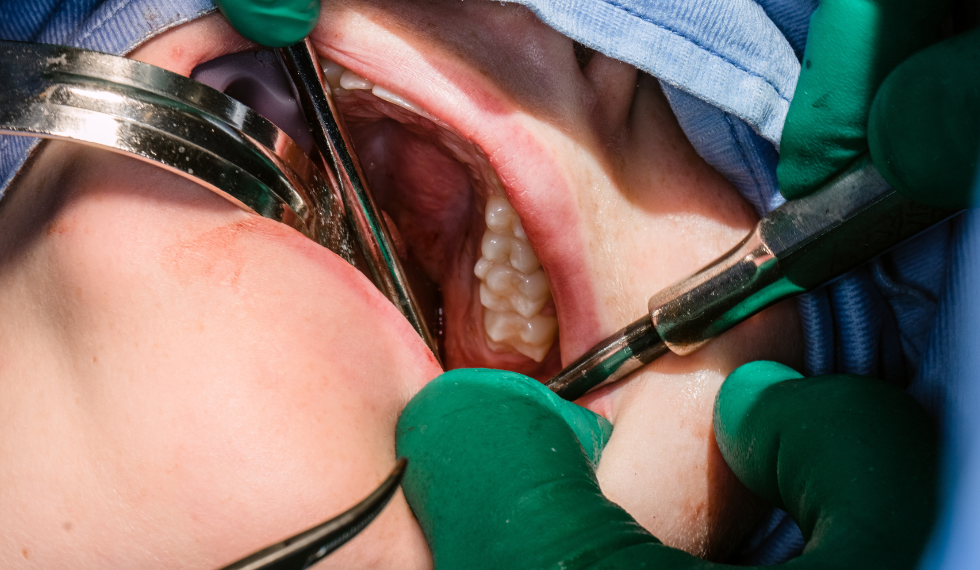
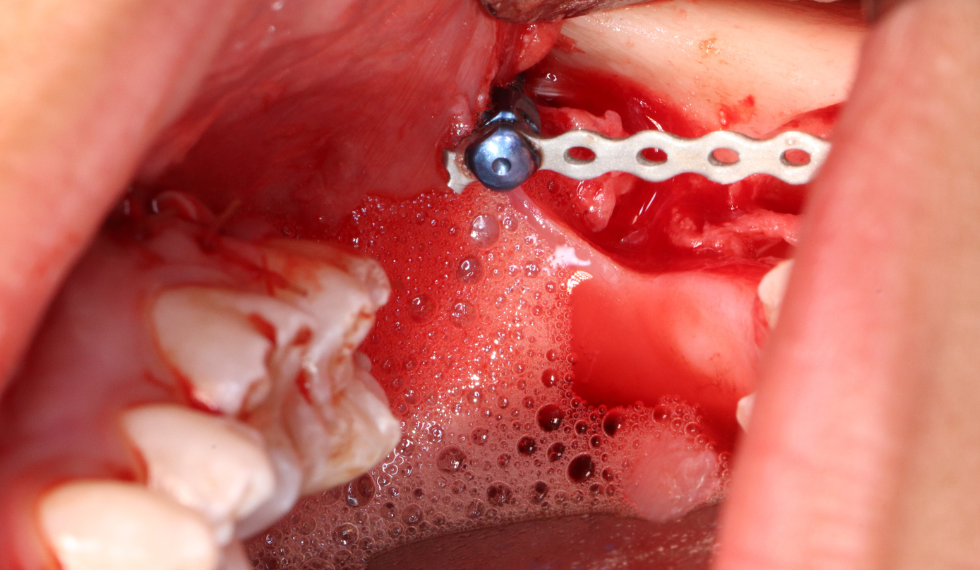
Dentoalveolar surgery encompasses specialised procedures that address conditions affecting the teeth and supporting jaw structures. This field includes several key procedures:
REMOVAL OF WISDOM TEETH
COMPLEX TOOTH EXTRACTIONS
PRE-PROSTHETIC SURGERY
These surgical interventions relieve pain, prevent complications like infection and tooth misalignment, and create a stable foundation for future dental restorations such as dentures or implants.
When Do I Need Dentoalveolar Surgery?
You may benefit from dentoalveolar surgery if you:
- Experience pain, infection, or swelling due to impacted or partially erupted wisdom teeth
- Have teeth that are fractured, decayed beyond repair, or otherwise difficult to remove through routine extraction
- Require bone smoothing or reshaping before the placement of dentures or dental prostheses
- Have been advised by a dentist, orthodontist, or oral surgeon following radiographic assessment
Early intervention is often recommended, particularly for wisdom teeth removal. Evaluation during teenage years can prevent complications later in life.
How Does Dentoalveolar Surgery Work?
Dentoalveolar procedures work by surgically addressing issues that cannot be resolved through standard dental treatment:
- Wisdom Teeth Removal: Surgical extraction prevents pain, infection, and damage to adjacent teeth when wisdom teeth become impacted or problematic.
-
- Complex Extractions: Specialised surgical techniques allow for the safe removal of damaged teeth while protecting surrounding oral structures.
-
- Pre-prosthetic Surgery: Procedures like alveoloplasty reshape the jawbone to create an ideal surface for dentures, ensuring comfort and stability.
Each procedure is customised based on your specific oral anatomy and needs, with various anesthesia options available to ensure your comfort.
What is the Dentoalveolar Surgery Process?
1. Consultation and Evaluation
Dr Fakir will examine your teeth and jaws, review radiographs, and discuss the most appropriate treatment approach.
2. Anesthesia Administration
Depending on procedure complexity and your preference, you’ll receive:
- Local anesthesia
- Conscious sedation
- General anesthesia
3. Surgical Procedure
The specific technique varies by case:
- For Wisdom Teeth: An incision is made in the gum tissue, any obstructing bone is removed, the tooth may be sectioned for easier removal, and the site is cleaned and sutured.
-
- For Complex Extractions: Precision techniques are used to remove damaged teeth while preserving surrounding structures.
-
- For Alveoloplasty: The jawbone is carefully reshaped to create a smooth, even surface.
4. Immediate Post-Operative Care
Gauze packing, initial care instructions, and prescription medications are provided before you leave.
What is the Recovery Time for Dentoalveolar Surgery?
Recovery varies depending on the procedure performed and individual healing factors:
- Initial Healing: Expect some swelling and discomfort for 3-5 days. This can be managed with prescribed pain medication and cold compresses.
- Soft Tissue Healing: Gum tissue typically heals within 1-2 weeks.
- Bone Healing: Complete bone healing may take several months, though this doesn’t typically impact your daily activities.
- Return to Normal Activities: Most patients can return to normal, non-strenuous activities within 3-7 days.
During recovery, you’ll need to follow specific instructions regarding diet, oral hygiene, and activity restrictions to ensure optimal healing and minimise complications.