Orthognathic Surgery
Corrective jaw repositioning to improve bite function, speech clarity, and facial proportions.


Understanding Orthognathic Surgery
Orthognathic surgery is a corrective procedure designed to realign jaws that do not meet properly, improving both jaw function and facial symmetry. This specialised treatment addresses structural jaw misalignments that cannot be corrected with orthodontics alone.
The procedure is typically combined with orthodontic treatment to ensure that both teeth and jaws are positioned correctly. Using advanced 3D planning technology, orthognathic surgery allows for precise surgical movements, ensuring both functional improvements and enhanced aesthetic outcomes.
Orthognathic Surgery Indications
You may benefit from orthognathic surgery if you experience:
- An open bite (upper and lower teeth not meeting properly)
- A protruding or receding jaw that affects facial appearance
- Chronic jaw pain or temporomandibular joint (TMJ) issues
- Difficulty chewing, biting, or swallowing due to misaligned jaws
- Breathing difficulties linked to jaw structure
- Facial asymmetry or jaw misalignment resulting from trauma or congenital conditions
Orthognathic surgery is typically considered when orthodontic treatment alone cannot address the underlying skeletal misalignment.
Orthognathic Surgery Approach
Orthognathic surgery works by surgically repositioning the jawbones to achieve proper alignment and function:
- 3D Surgical Planning: Advanced imaging and virtual simulation determine the exact jaw movements needed
-
- Custom Solution: The surgical plan is tailored to your specific facial structure and functional needs
-
- Precision Technology: Custom titanium plates, screws, and osteotomy guides ensure surgical accuracy
-
- Multidisciplinary Approach: The surgery is coordinated with orthodontic treatment for optimal results
-
- Permanent Correction: Once healed, the repositioned jaws provide lasting improvement in function and appearance
The procedure addresses the underlying skeletal issues causing malocclusion (improper bite), breathing difficulties, or facial asymmetry.
Orthognathic Surgery Protocol
1. Comprehensive Assessment and Planning
- 3D imaging and virtual simulation create a detailed surgical plan
- Custom titanium plates and screws are designed using CAD technology
- Patient-specific osteotomy guides are created for precise bone cuts
- Virtual occlusion simulation predicts both functional and aesthetic outcomes
2. Pre-Surgical Orthodontics
- Teeth are aligned in preparation for surgery
- This phase typically lasts 12-18 months
3. Surgical Procedure
- Performed under general anesthesia
- May involve:
- Single Jaw Surgery: Correcting either the upper (maxilla) or lower (mandible) jaw
- Bimaxillary Surgery: Repositioning both upper and lower jaws simultaneously
- Genioplasty: Chin surgery to enhance overall facial balance
- Precise bone cuts are made using custom guides
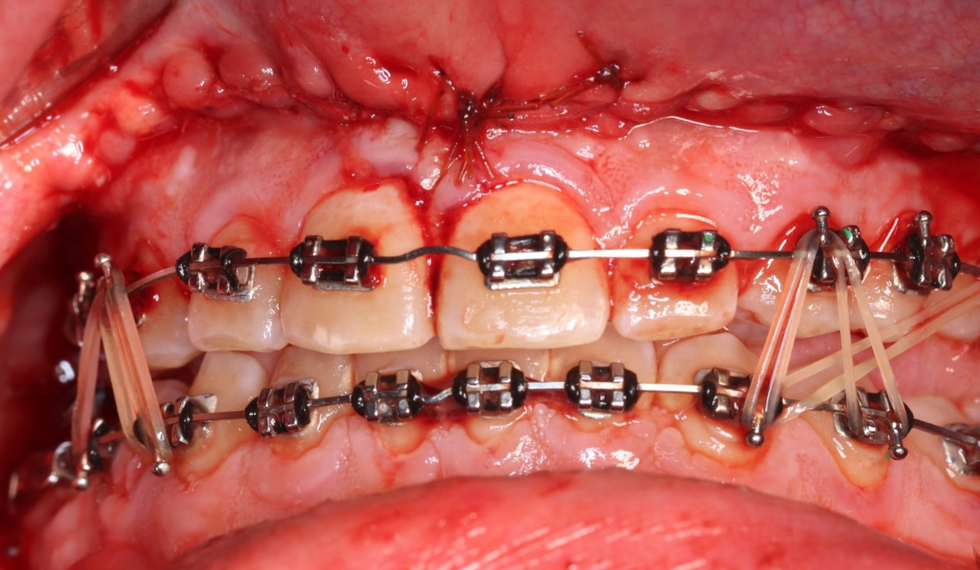
- Jaws are repositioned according to the pre-surgical plan
- Custom titanium plates and screws secure the bones in their new position
- May involve:
- Performed under general anesthesia
4. Post-Surgical Orthodontics
- Final tooth alignment after jaw healing
- Typically lasts 6-12 months
5. Final Evaluation and Retention
- Assessment of functional and aesthetic outcomes
- Long-term retention plan to maintain results
Orthognathic Surgery Recovery
Recovery from orthognathic surgery occurs in stages:
- Hospital Stay: Typically 1-3 days for initial recovery and monitoring
- Initial Healing: Expect significant swelling and discomfort for 2-3 weeks
- Dietary Restrictions: Liquid or soft food diet for approximately 6 weeks
- Return to Normal Activities:
- Limited physical activity for 3-4 weeks
- Return to work/school within 2-3 weeks for non-strenuous activities
- Full recovery with normal diet and activities by 3 months
- Bone Healing: Complete bone healing takes 9-12 months, though this doesn’t typically impact daily function after the initial recovery period
- Orthodontic Completion: Final orthodontic adjustments continue for several months after surgery
Throughout your recovery, Dr Fakir will provide comprehensive care instructions and schedule regular follow-up appointments to monitor your healing and ensure optimal results.