Facial Trauma Management
Precise repair of facial fractures and soft tissue injuries to restore both function and aesthetics.
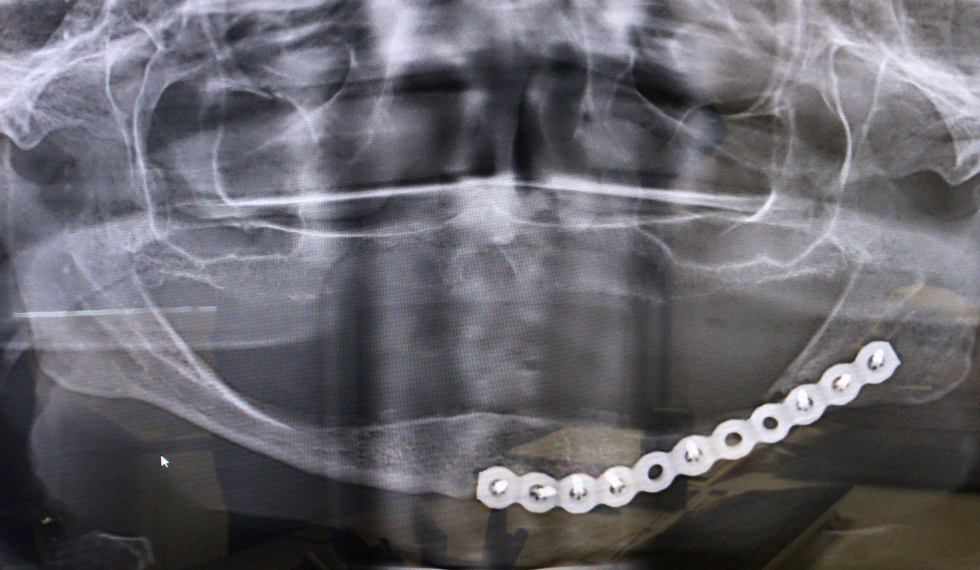
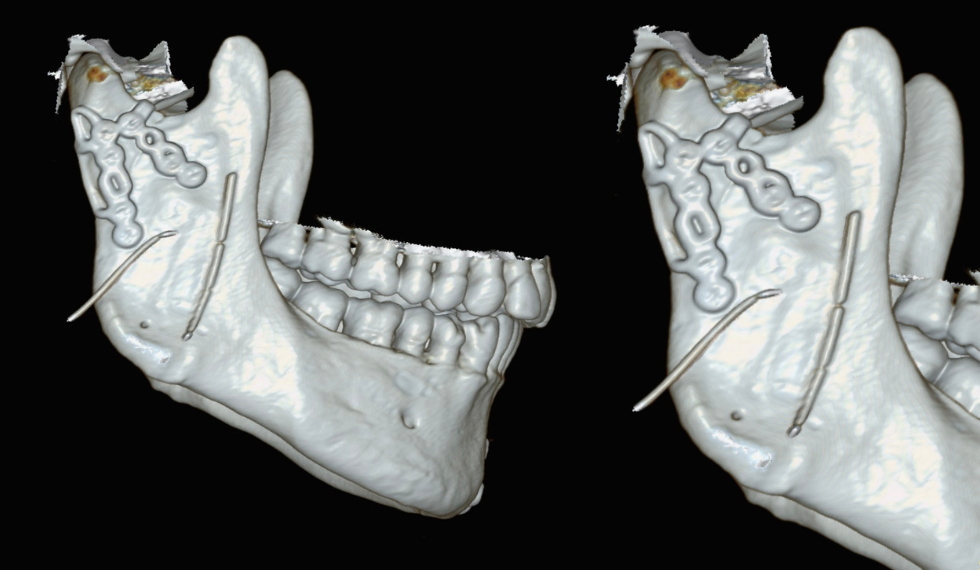
Understanding Facial Trauma Management
Facial trauma management involves the diagnosis, emergency treatment, and surgical repair of injuries to the facial bones, soft tissues, and dental structures. These injuries commonly result from motor vehicle accidents, falls, sports injuries, interpersonal violence, or work-related incidents.
Maxillofacial and oral surgeons are uniquely qualified to manage facial trauma due to their specialised expertise in bone and soft tissue surgery, dental rehabilitation, and functional restoration. The comprehensive approach aims to restore both function and appearance while minimising long-term complications.
Facial Trauma Management Indications
Treatment is indicated for patients who have experienced:
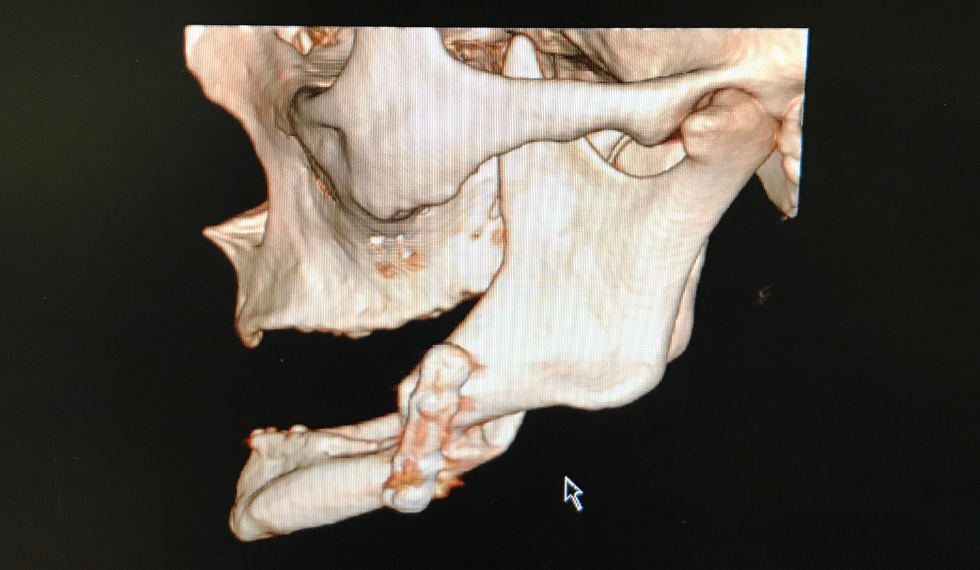
- Fractures of the mandible (jawbone), maxilla (upper jaw), zygomatic complex (cheekbone), or orbital bones (eye socket) following trauma
- Lacerations to the face or mouth requiring surgical repair
- Temporomandibular joint (TMJ) dislocation or associated fractures due to injury
- Displaced, avulsed (knocked-out), or fractured teeth resulting from trauma
Prompt evaluation following facial injury is crucial, as timely intervention can significantly improve both functional and aesthetic outcomes.
Facial Trauma Management Approach
Facial trauma management follows a systematic approach to diagnosis and treatment:
- Comprehensive Assessment: Advanced imaging techniques identify the full extent of injuries
-
- Prioritised Treatment: Life-threatening conditions are addressed first, followed by functional restoration and aesthetic concerns
-
- Precision Reconstruction: Specialised techniques restore the complex three-dimensional structure of facial bones
-
- Multidisciplinary Approach: Collaboration with other specialists ensures comprehensive care
-
- Staged Rehabilitation: Immediate repair followed by long-term reconstruction when necessary
Treatment is tailored to the specific injury pattern, with the goal of restoring normal appearance and function while minimising visible scarring.
Facial Trauma Management Protocol
1. Emergency Evaluation and Stabilisation
- Assessment of airway, breathing, and circulation
- Control of bleeding and management of pain
- Neurological evaluation
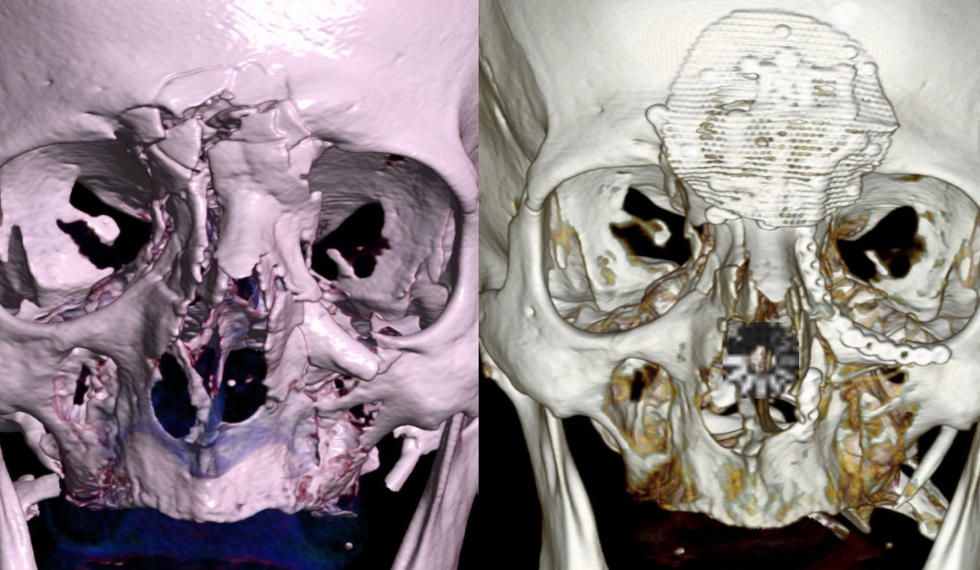
- Advanced imaging (CT scans, 3D reconstructions) to identify injuries
2. Surgical Intervention
For Bone Fractures:
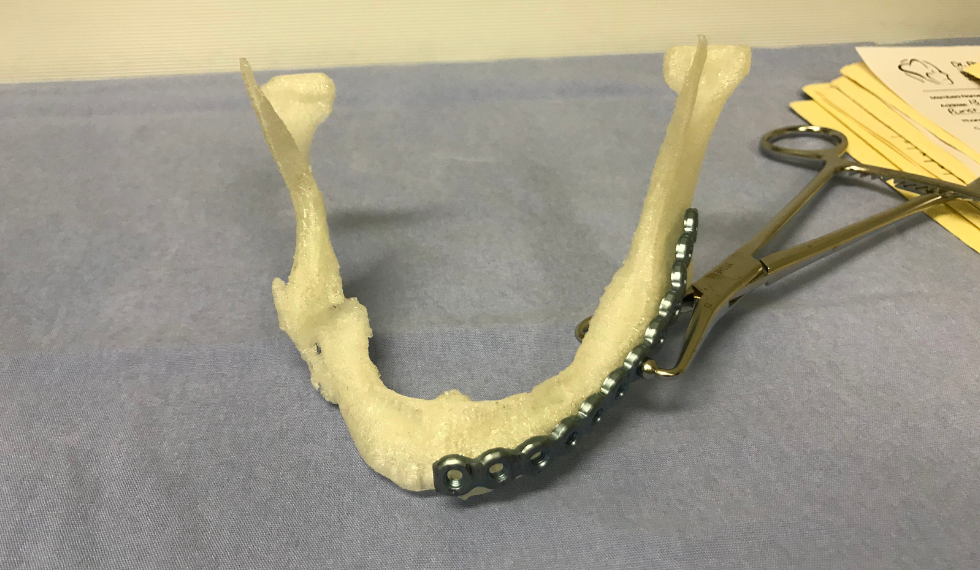
- Rigid fixation with titanium plates and screws to stabilize facial bones
- Maxillomandibular fixation (jaw wiring) for specific fracture types
- Reconstruction of orbital floor or rim fractures to prevent functional issues
For Soft Tissue Injuries
- Meticulous suturing of facial and intraoral lacerations
- Repair with attention to cosmetic outcomes and protection of facial nerves
- Reconstruction of complex tissue defects
For TMJ Injuries
- Manual reduction for dislocations
- Surgical stabilization for complex cases or recurring dislocations
For Dental Injuries
- Stabilisation of displaced teeth using splints
- Replantation of avulsed teeth when possible
- Repair of supporting bone fractures
3. Post-Surgical Care
- Management of pain and swelling
- Antibiotics to prevent infection when indicated
- Dietary and activity modifications
4. Rehabilitation and Follow-up
- Removal of temporary fixation devices
- Physical therapy to restore normal jaw function
- Secondary procedures for refinement if necessary
- Long-term dental rehabilitation including implants when needed
Facial Trauma Management Recovery
Recovery from facial trauma varies significantly based on the nature and severity of injuries:
- Initial Healing: Soft tissue wounds typically begin healing within days, with sutures removed in 5-7 days for external wounds
- Bone Healing: Facial fractures generally require 4-6 weeks to achieve initial stability and 3-4 months for complete healing
- Functional Recovery:
- Basic jaw function may resume in 2-6 weeks depending on injury severity
- Full range of motion may take 2-3 months to return
- Dental rehabilitation may continue for several months
- Return to Activities:
- Limited physical activity for 2-4 weeks
- Gradual return to normal activities, with contact sports restricted for 3-6 months
- Full recovery may take 6-12 months for complex injuries
- Long-term Follow-up: Regular monitoring ensures proper healing and addresses any emerging concerns