Craniofacial Reconstruction
Specialised restoration of skull and facial structures using patient-specific digital technology.
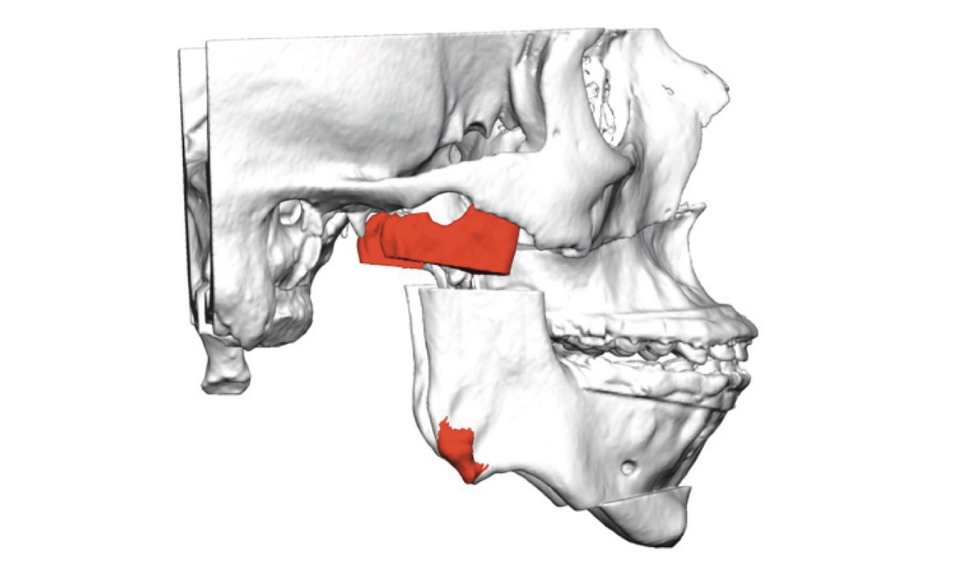
Understanding Craniofacial Reconstruction
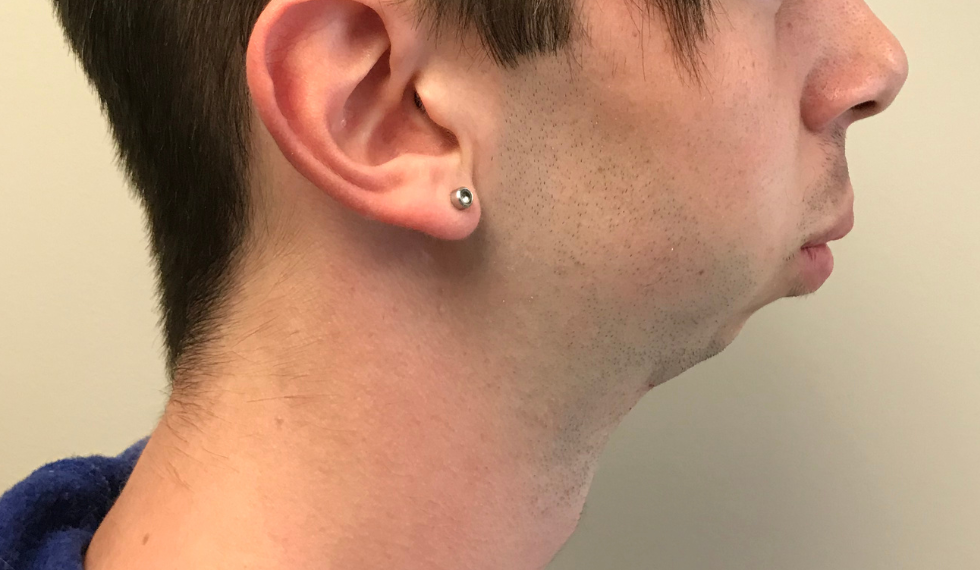
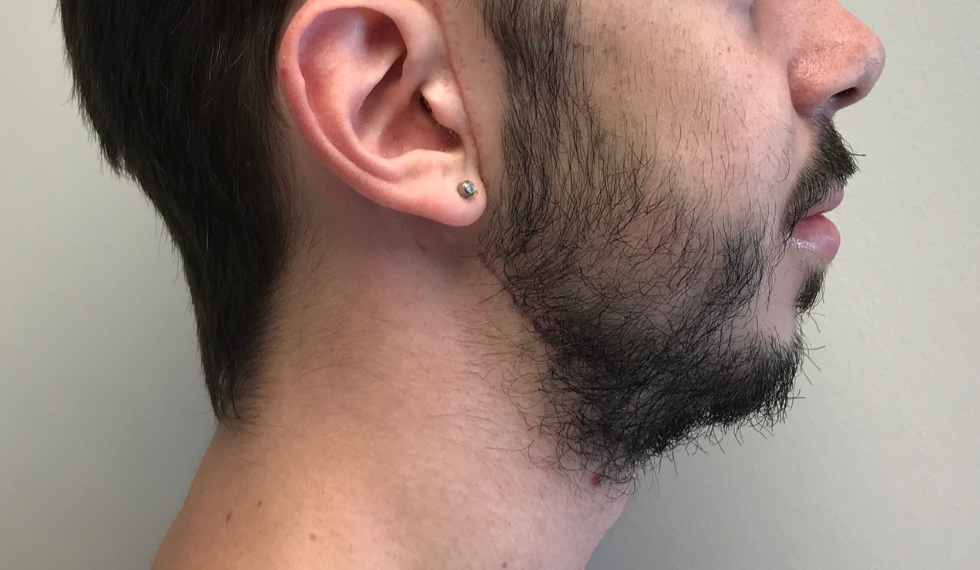
Craniofacial reconstruction is a specialised surgical approach to restore the structure and function of the skull and facial bones. This advanced procedure rebuilds missing or deformed bone following trauma, congenital abnormalities, or tumor resection, achieving both functional rehabilitation and facial symmetry.
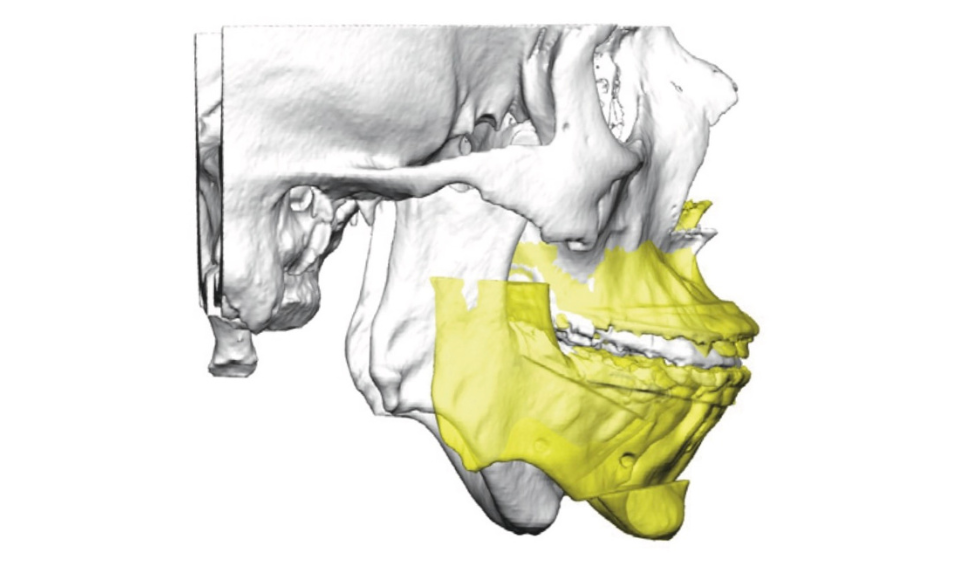
Using cutting-edge technology including CAD/CAM systems, 3D printing, and virtual surgical planning, craniofacial reconstruction offers precise customisation for each patient’s unique anatomy. This personalised approach ensures optimal outcomes for even the most complex craniofacial defects, restoring both form and function.
Craniofacial Reconstruction Indications
Treatment is indicated for patients with:
- Facial bone loss following trauma or surgical removal of tumors
- Congenital craniofacial abnormalities, such as cleft defects or underdeveloped facial structures
- Jaw or skull damage requiring reconstruction following injury or infection
- Severe facial asymmetry affecting function, breathing, or appearance
- Bone deficiencies requiring structural support through custom grafts or implants
Craniofacial reconstruction offers solutions for patients whose facial structure has been compromised, affecting both physical function and quality of life
Craniofacial Reconstruction Approach
Craniofacial reconstruction works through a combination of advanced digital planning and precision surgical techniques:
- Virtual Surgical Planning: High-resolution imaging and computer modeling create a detailed surgical blueprint before any incision is made
-
- Custom Solutions: Patient-specific implants, bone grafts, and fixation devices are designed to match your exact anatomical needs
-
- Regenerative Approaches: Specialised scaffolds and techniques promote your body’s natural healing and bone regeneration
-
- Progressive Techniques: In some cases, distraction osteogenesis gradually extends bone by stimulating new growth over time
-
- Multi-Disciplinary Integration: Combines surgical expertise with advanced manufacturing and bioengineering principles
This technology-driven approach ensures that reconstruction is tailored precisely to your individual anatomy and functional requirements.
Craniofacial Reconstruction Protocol
1. Comprehensive Assessment and Digital Planning
- Advanced 3D imaging captures your unique anatomy
- Virtual surgical planning simulates potential outcomes
- Custom implants, grafts, and fixation devices are designed digitally
2. Pre-Surgical Preparation
- 3D-printed custom implants are manufactured
- Patient-specific bone grafts and scaffolds are created
- Personalised distraction osteogenesis devices are fabricated if needed
3. Surgical Procedure
- Performed under general anesthesia
- May involve:
- 3D-Printed Facial Implants: Placement of tailored implants to restore facial contour
- Bone Grafting with 3D-Printed Scaffolds: Installation of custom bone replacements
- Distraction Osteogenesis: Placement of devices for gradual bone lengthening
- Multi-Stage Reconstruction: Phased procedures combining soft tissue repair, bone reconstruction, and implant placement
- Precise positioning guided by virtual surgical plans
- Secure fixation using custom titanium plates or patient-specific implants
4. Post-Surgical Care and Follow-Up
- Monitoring of healing and implant integration
- Activation and adjustment of distraction devices if applicable
- Progressive evaluation of functional and aesthetic outcomes
5. Secondary Procedures (if necessary)
- Refinement surgeries to optimise results
- Soft tissue adjustments to complement bone reconstruction
Craniofacial Reconstruction Recovery
Recovery from craniofacial reconstruction varies significantly based on the complexity of your procedure:
- Hospital Stay: Typically 3-7 days for monitoring and initial recovery
- Initial Healing Phase: Expect significant swelling and discomfort for 2-4 weeks
- Activity Restrictions:
- Limited physical activity for 4-6 weeks
- Gradual return to normal activities over 2-3 months
- Bone Integration: Complete integration of implants and bone grafts takes 3-6 months
- Distraction Process (if applicable):
- Active distraction phase: 1-2 weeks
- Consolidation phase: 6-12 weeks
- Complete Healing: Full maturation of reconstructed tissues may take up to 12-18 months
Throughout your recovery, Dr Fakir will provide comprehensive care instructions and regular follow-up appointments to monitor your progress. For complex reconstructions, a multidisciplinary team may be involved in your ongoing care to ensure optimal functional and aesthetic outcomes.